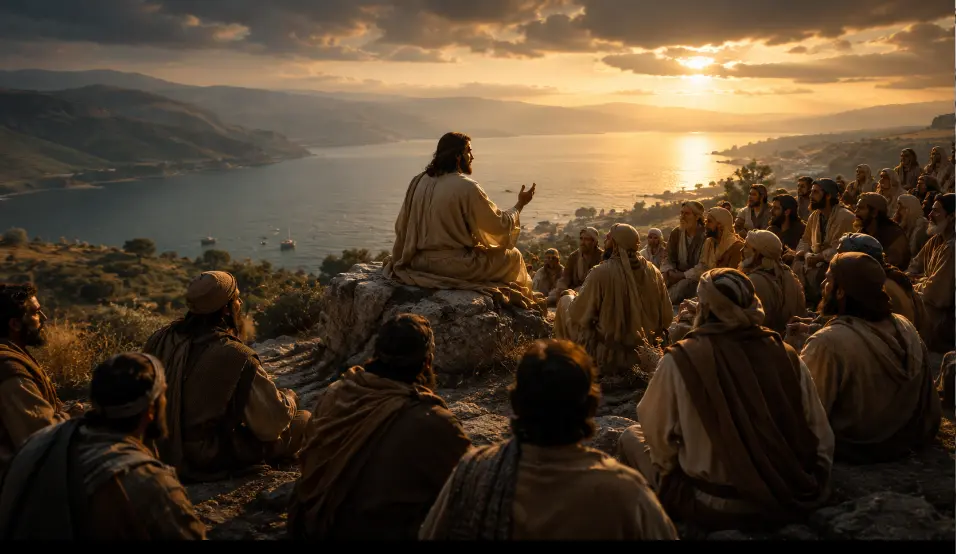
Followers of Jesus are described in Acts as belonging to the Way.
Nero used Christians as scapegoats after the Great Fire of Rome; Tacitus records punishments under Nero.
Under Decius, empire-wide sacrifice was pressed as a test of loyalty.
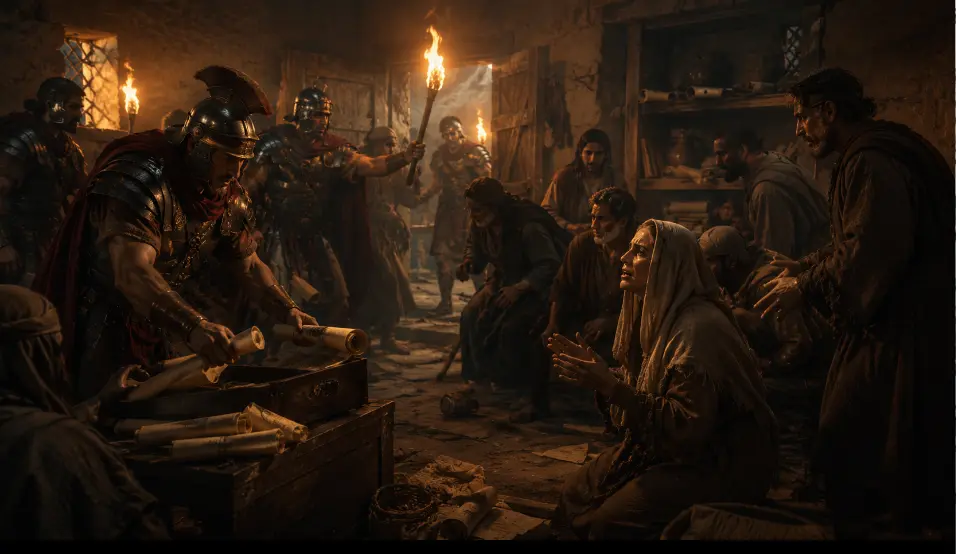
Under Diocletian, the last and most severe imperial persecution of Christians began.
Constantine and Licinius issued the Edict of Milan, granting legal protection and return of confiscated Christian property.
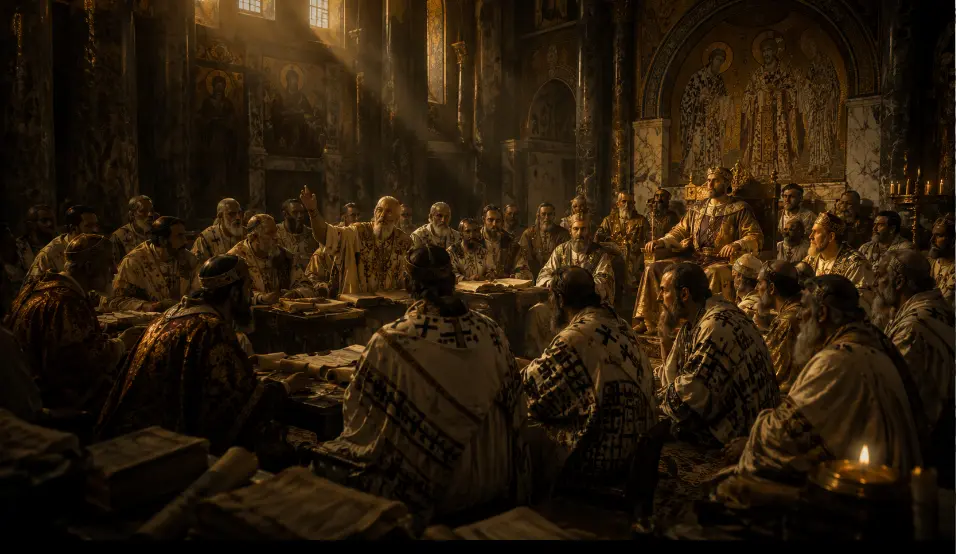
Constantine called the Council of Nicaea to address division, especially the Arian controversy over Christ's divine status and relationship to the Father.
Constantine ordered Arius's writings burned.
Athanasius's Thirty-Ninth Festal Letter listed the twenty-seven New Testament books recognized today and warned against apocryphal writings associated with heretics.
The Edict of Thessalonica threatened divine punishment and imperial retribution for those who rejected the Nicene creed and helped establish Nicene Christianity as the state-backed orthodoxy of the Roman Empire.
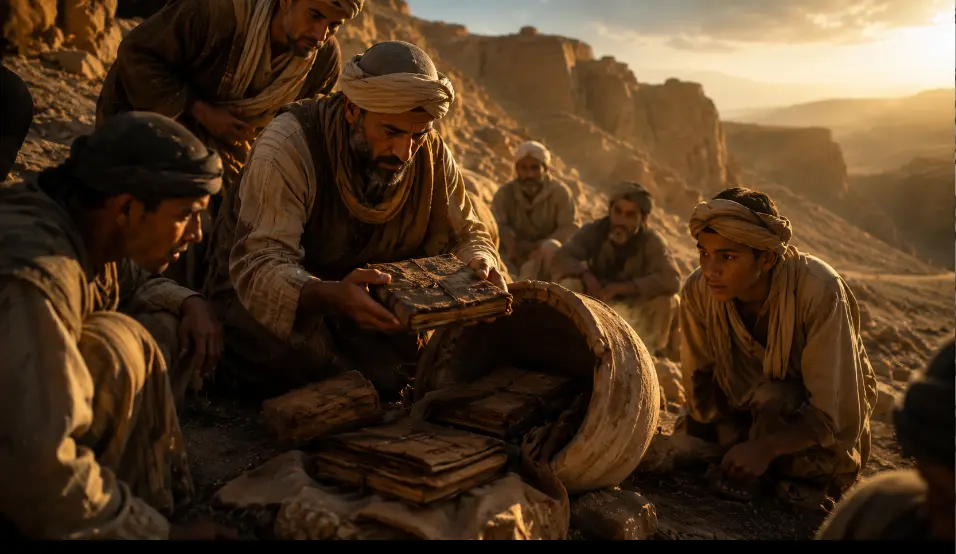
The Nag Hammadi Library was discovered near Nag Hammadi in upper Egypt.